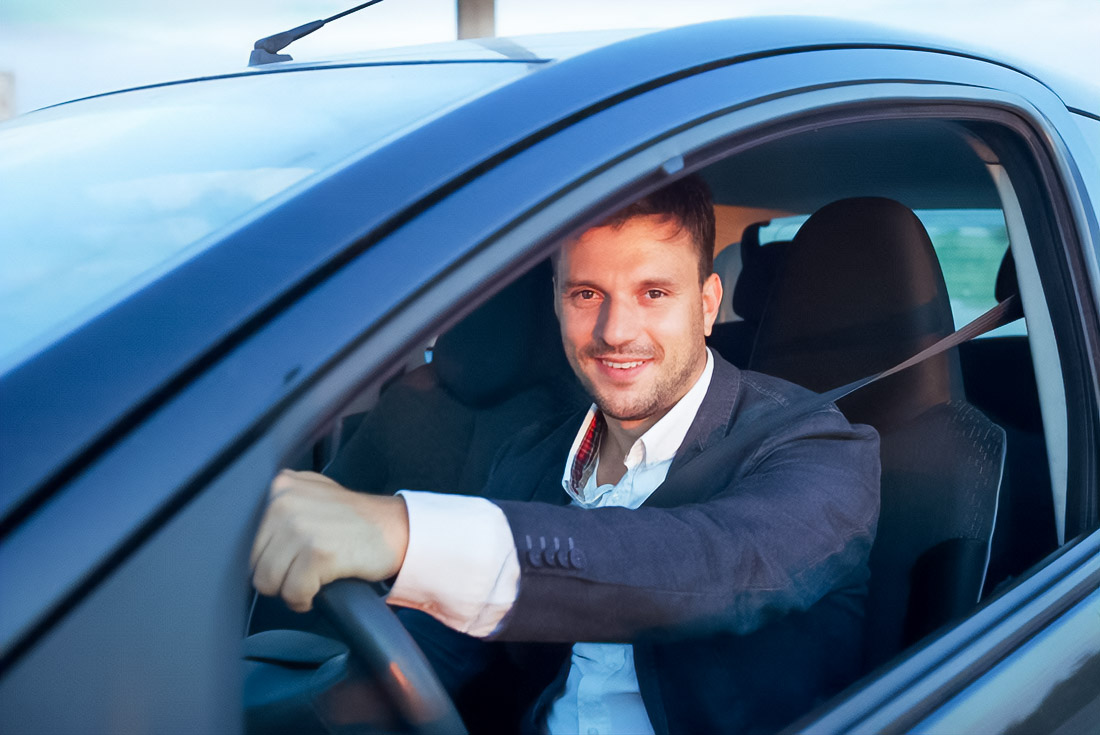
Dubai Winter Traffic Patterns and Why They Push Professionals to Hire Drivers
Winter in a large city rarely feels like a time of slowing down. On the contrary, it is from November to March that the urban environment begins to operate at increased speeds. The flow of people is growing, the streets are filling up, and the usual logic of movement is no longer predictable. Winter traffic becomes the background of everyday life and at the same time its main constraint.
Mild weather, high tourist demand and a busy calendar of events are radically changing urban mobility. Moving requires more attention, more time, and a completely different approach to planning, especially for those who rely on Full Time Driver arrangements to maintain daily schedules. What took twenty minutes in summer can easily be doubled in winter.
Seasonal Traffic Density And Loss Of Predictability
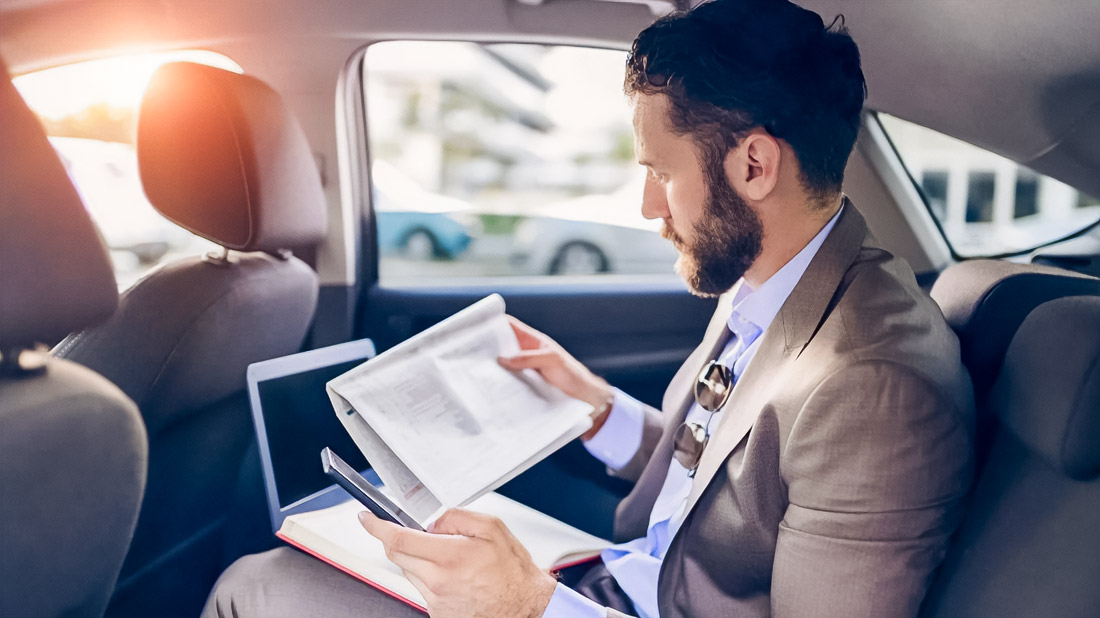
The high season directly affects the traffic density. From November to March, the traffic load increases daily, not just on weekends or holidays. The morning rush hour starts early and lasts from about 7:00 a.m. to 10:00 a.m., when tourists, office staff, and event participants take to the roads at the same time. In the evening, the situation becomes even more complicated. As early as 16:00, traffic begins to slow down and often remains dense after 21:00.
In winter, the usual routes lose stability. Even alternative roads quickly turn into secondary bottlenecks as a large number of drivers look for workarounds at the same time. As a result, the city’s network is running on the edge of capacity, and travel time is becoming difficult to predict.
That is why, in winter, adding a 25–30% time buffer to the standard route becomes a mandatory rule, rather than a reinsurance measure.
Mass Events As A Catalyst For Transportation Problems
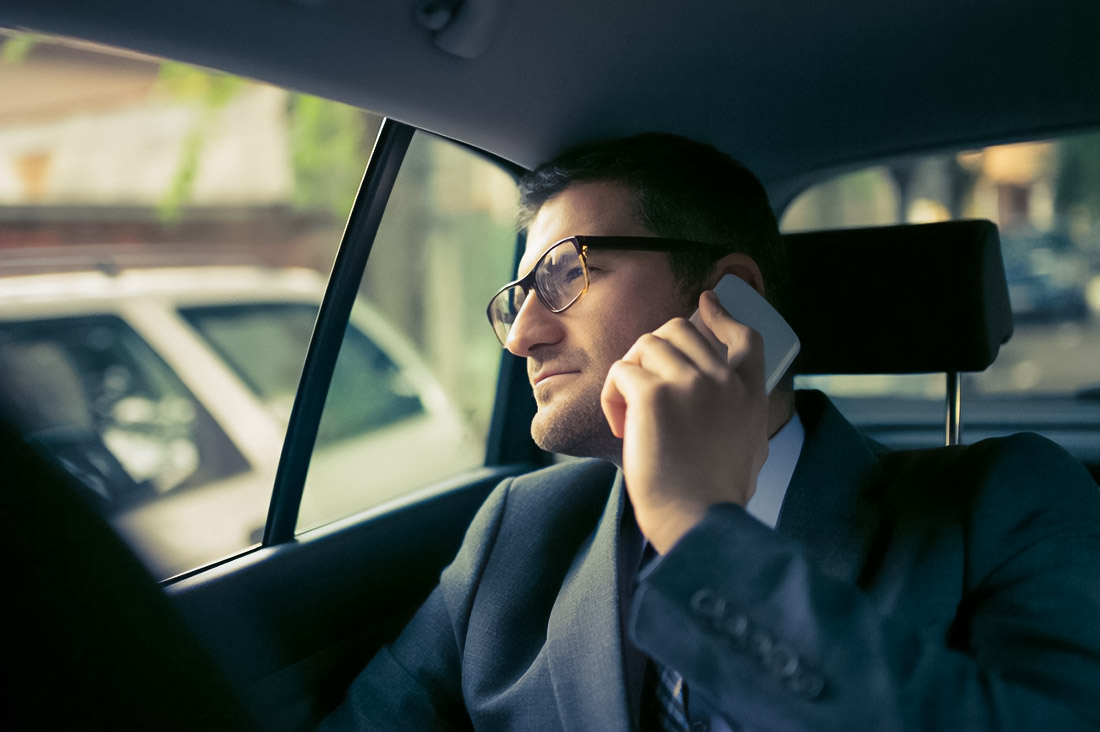
The impact of urban events deserves special attention. Festivals, holiday dates, and major events dramatically change the transportation landscape. Temporary road restrictions are being introduced, sections of streets are being blocked, and traffic patterns are changing. Moreover, such changes often begin a few days before the event itself.
In the evening, in popular areas, the traffic density is increased by pedestrian flows. People move between shopping areas, restaurants, and event venues, often without paying attention to transportation. Cars move slowly, and sometimes stop altogether during shows or mass gatherings.
Navigation apps only partially help at such times. They record congestion, but they do not always take into account behavioral factors and local features of specific streets.
Security, Communication, And Expectation Management
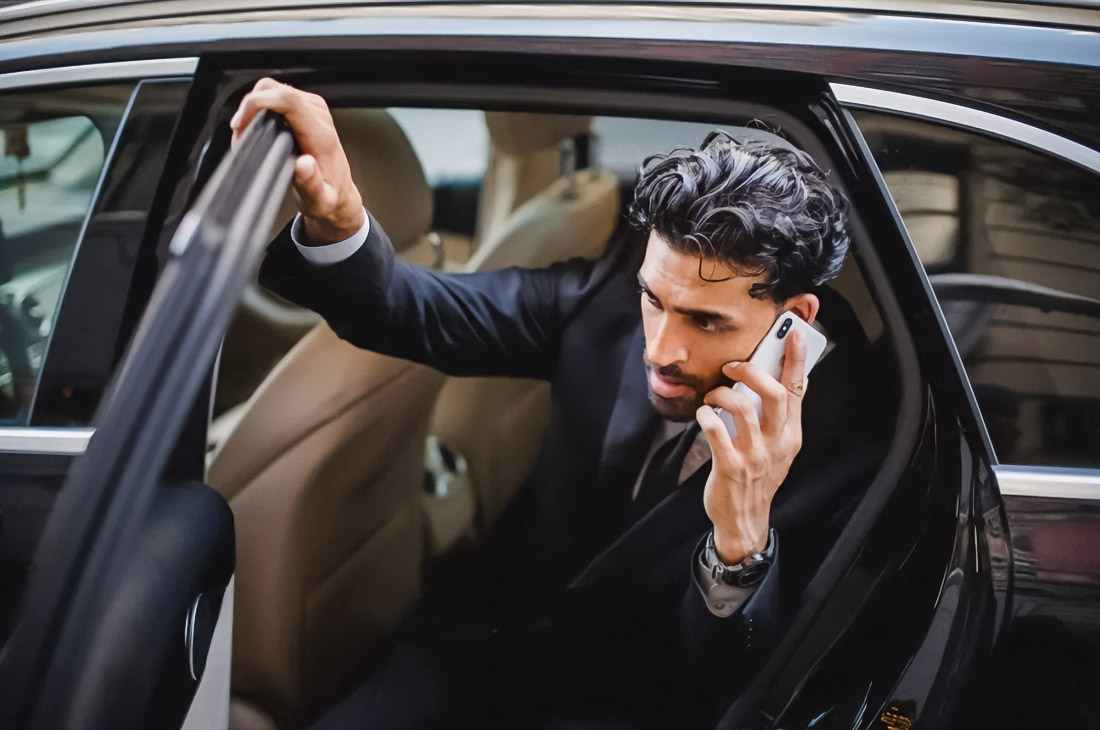
Winter traffic is not only about speed, but also about traffic safety. There are a large number of drivers in the city who are not familiar with the local rules and traffic logic. Unexpected changes of lanes, sudden stops, and delayed maneuvers are becoming commonplace.
In such circumstances, the priority shifts towards defensive driving. Increasing the distance, smooth maneuvers and avoiding aggressive style can reduce the risks for passengers. It is especially important to take into account the behavior of pedestrians in tourist areas, where people often enter the roadway, distracted by orientation or photography.
Communication becomes an equally important element. With delays, regular updates every 15 minutes help manage expectations and reduce stress levels. Explaining the reasons for changing the route or increasing travel time builds trust and a sense of control over the situation.
The winter season clearly shows that movement in the city is a complex system that depends on seasonal fluctuations, human behavior, and the ability to adapt. In high-load conditions, the winner is not the one who drives faster, but the one who plans more precisely and reacts more flexibly.

Cyclist, risk-taker, hiphop head, hand letterer and product designer. Performing at the nexus of art and computer science to develop visual solutions that inform and persuade. I prefer clear logic to decoration.